Introduction
The global vegetable oil industry is undergoing a major transformation as consumers become increasingly focused on health, wellness, and sustainable food choices. The mercado latinoamericano de aceite vegetal is also experiencing strong growth, as changing consumer preferences continue to influence production, exports, and demand across the region.
From household kitchens to large-scale food manufacturing, the demand for healthier edible oils is reshaping purchasing decisions across the market.
Additionally, consumers are no longer choosing cooking oils based only on cost and shelf life. Instead, they consider factors such as nutritional value, fat composition, production methods, and sourcing transparency. As a result, this shift is creating significant opportunities for premium and health-focused oils worldwide.
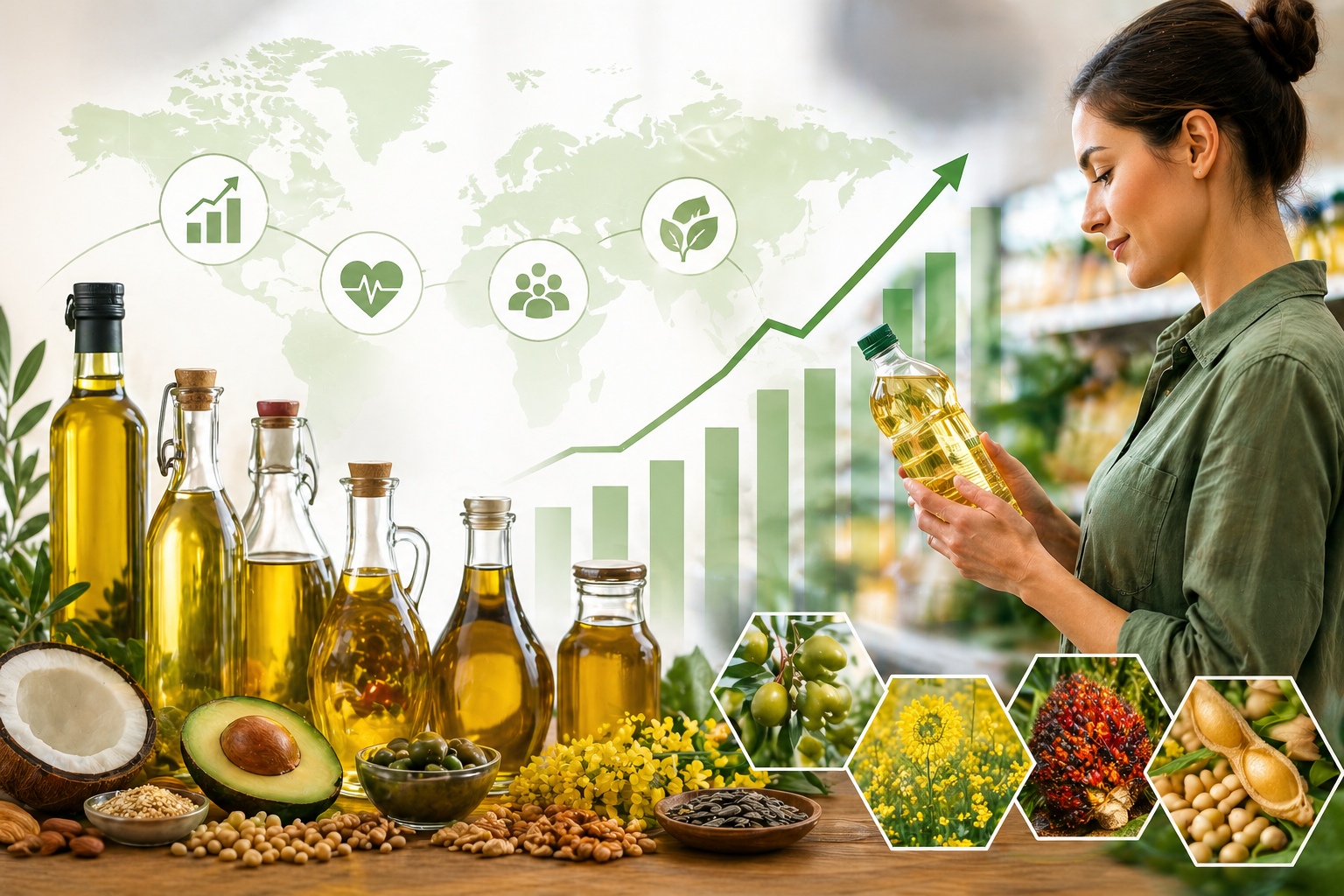
Rising awareness of obesity, heart disease, diabetes, and lifestyle-related conditions has significantly influenced buying behavior. Consequently, the vegetable oil market is experiencing increased demand for oils such as olive oil, sunflower oil, avocado oil, rice bran oil, and cold-pressed alternatives.
Rising Demand for Healthier Cooking Oils
Health-conscious consumers are now paying close attention to product labels and ingredients. Key terms that influence purchasing decisions include cholesterol-free, organic, non-GMO, low saturated fat, and cold-pressed.
Traditional refined oils are facing strong competition from healthier alternatives that support heart health and provide essential nutrients. In general, consumers prefer oils rich in omega fatty acids and antioxidants.
As this trend continues, manufacturers are expanding their product portfolios and innovating to stay competitive in the evolving vegetable oil industry.
How the Food Industry Is Responding
The food industry is actively adapting to meet consumer demand for healthier options. Restaurant chains, packaged food brands, and ready-to-eat meal producers are reformulating their products to align with these preferences.
Many companies are replacing traditional frying oils with healthier alternatives to improve product quality and strengthen brand loyalty. Clean labels and transparent sourcing have become critical selling points.
Brands that prioritize health-oriented oil solutions are gaining stronger customer loyalty and increasing their market share.
Sustainability Is Becoming a Major Market Driver
Today, health is not the only concern—sustainability and ethical sourcing are equally important.
Consumers increasingly want to know how vegetable oils are produced and where they originate. Producers offering sustainably grown palm oil, traceable soybean oil, and eco-friendly packaging gain a competitive advantage.
As a result, many companies are building transparent supply chains and long-term sustainability strategies within the edible oil industry.
Growth of the Latin American Vegetable Oil Market
Latin America continues to play a key role in the global edible oil industry. Countries such as Brazil, Argentina, Colombia, and Mexico are expanding production while adapting to evolving consumer preferences.
The mercado latinoamericano de aceite vegetal is witnessing strong growth due to rising exports, premium oil demand, and increased focus on sustainable agriculture.
Regional producers are investing in high-value oils that meet international quality standards and health-conscious consumer expectations.
E-Commerce and Premium Oil Expansion
The growth of e-commerce has increased demand for specialty and premium organic oils. Consumers can now easily access imported oils, cold-pressed products, and niche healthy cooking options through digital platforms.
Additionally, online retail enables smaller producers to reach targeted audiences seeking wellness, transparency, and high-quality products. This shift has opened new growth channels for the global vegetable oil market.
Innovation Driving Future Growth
Product innovation has become a key competitive factor. Companies are investing in fortified oils, blended products, and advanced refining techniques that preserve nutritional value.
These innovations allow brands to maintain taste, functionality, and shelf life while meeting consumer demand for healthier options.
The future of the vegetable oil market will depend on companies that successfully combine health benefits, sustainability, and innovation.
Conclusion
Previously, the vegetable oil industry was driven mainly by price and availability. However, it is now significantly influenced by informed consumers demanding healthier, transparent, and responsibly produced products.
As this shift continues, companies that adapt to these expectations will gain a strong competitive advantage. Developing high-quality oils through sustainable methods and building consumer trust will be essential for future growth.
The Latin American vegetable oil market is expected to benefit significantly as global demand for healthier and more sustainable products continues to rise.
FAQs
1. What is driving growth in the vegetable oil market?
The main drivers include rising health awareness, demand for healthier cooking oils, sustainability concerns, and increased consumer preference for organic and premium edible oils.
2. Which vegetable oils are considered healthier options?
Olive oil, sunflower oil, avocado oil, rice bran oil, and cold-pressed oils are commonly considered healthier due to better fat composition and nutritional benefits.
3. Why is the Latin American vegetable oil market growing?
The Latin American vegetable oil market is growing because of strong agricultural production, export demand, premium oil consumption, and sustainability-focused farming practices.
4. How does sustainability affect the vegetable oil industry?
Consumers increasingly prefer sustainably sourced oils such as certified palm oil and traceable soybean oil, pushing producers toward eco-friendly and ethical practices.
5. What role does e-commerce play in the vegetable oil market?
E-commerce helps consumers access premium oils and allows smaller brands to reach health-conscious buyers looking for organic and specialty edible oils.
Author Bio
Mateo Carlos is a market research professional specializing in industry analysis, SEO-focused content strategy, and global market trends. He works extensively on market intelligence reports across food, agriculture, chemicals, healthcare, and industrial sectors. With strong expertise in creating data-driven and search-optimized content, Mateo helps businesses understand evolving consumer behavior and emerging market opportunities worldwide.