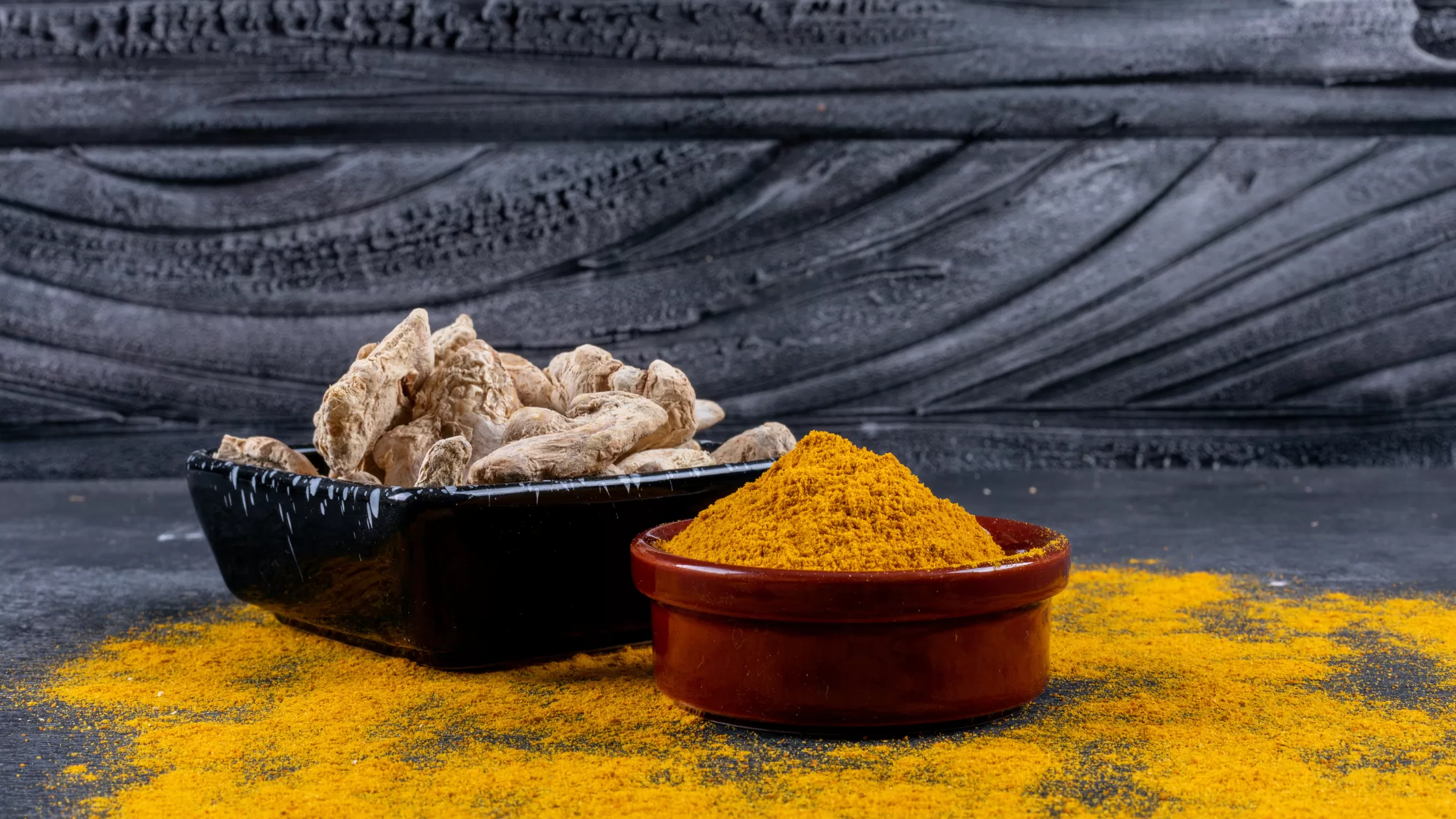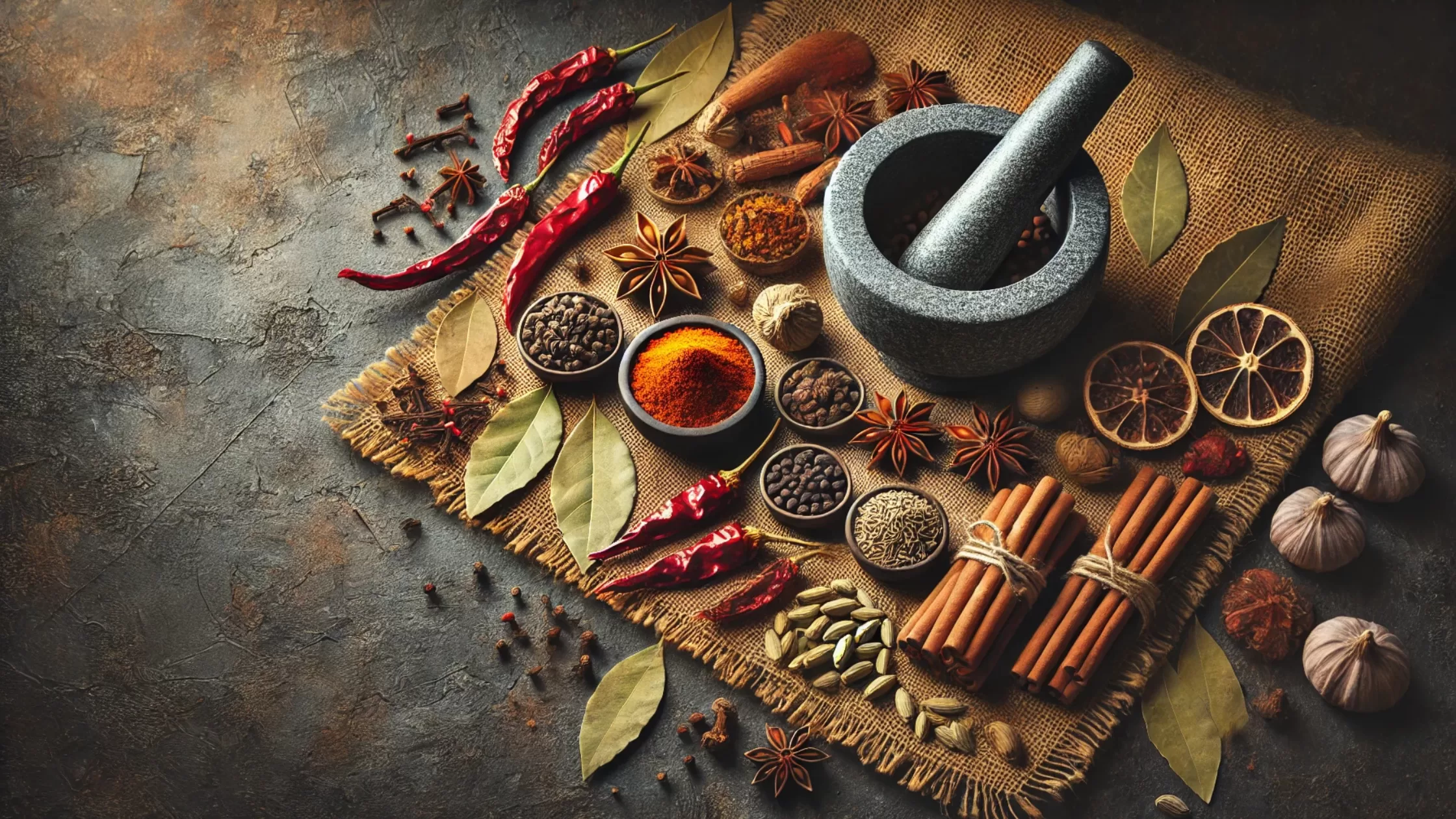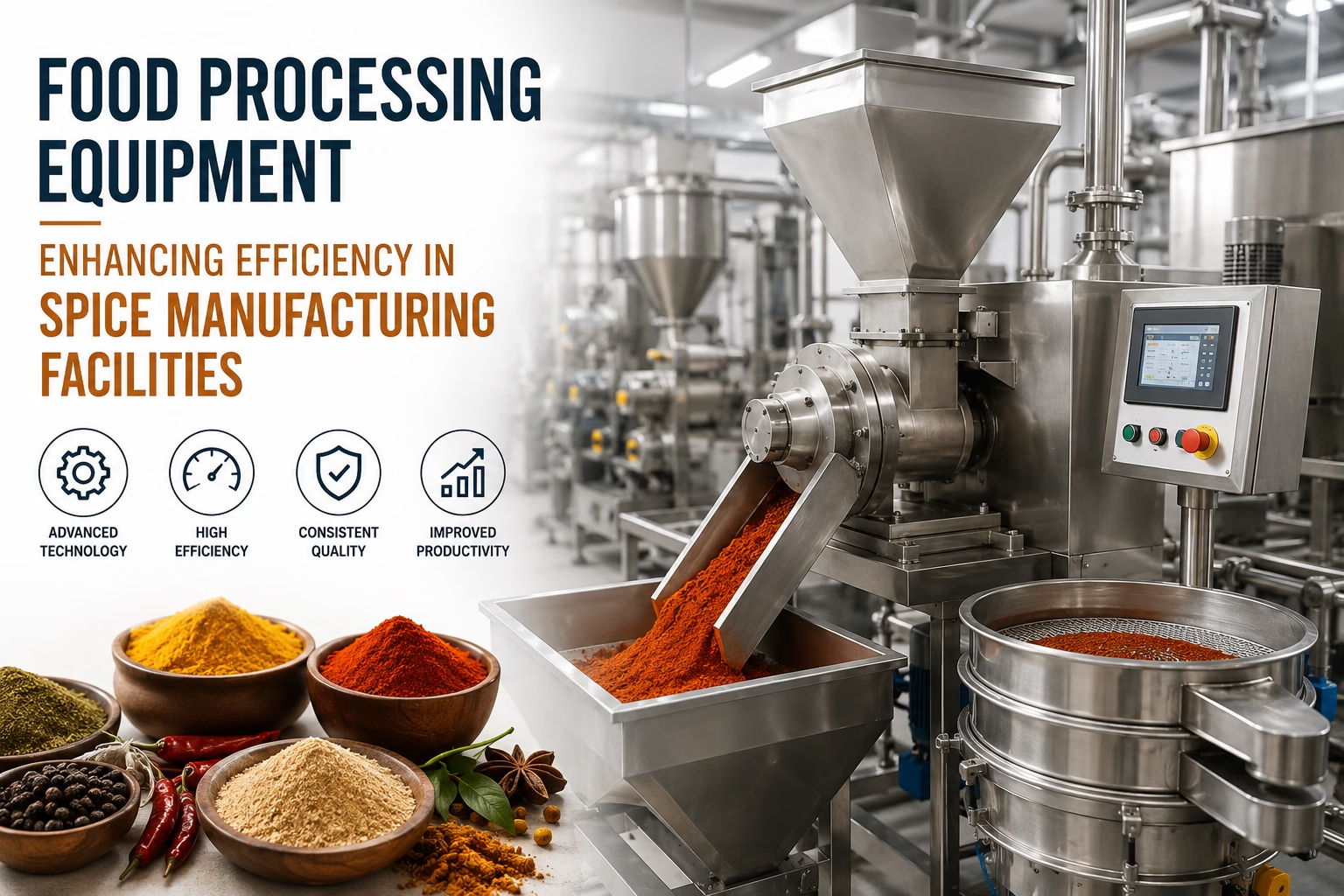
From centuries, the spice have regarded as one of the main constituents for the arena of food processing in India. Turkeys and Indian occupy most share of spice export in worldwide market, and these Indian foods and their wonderful tastes obtained with the usage of some selected species like Cumin seeds, Turmeric, Red Chili, etc.. As demand from consumers from around the globe increasing for hygienically manufactured and top quality spices, these industries are invest in most advanced and automatic machinery.
This ongoing spice manufacturing advancement and a related, rapid proliferation of spice-consuming products have also contributed to a solid expansion of the global food processing industry. Experts’ calculations place the global food processing equipment market at USD98.5 bn in2025and on a course to ascend toward USD170.4 bn by 2034-a compound annual growth rate (CAGR) of 6.2%. The driving forces behind this sector’s sustained boom are an increasing need for convenience and prepared foods; the spread of automatic and mechanized machinery; and stricter standards in terms of the safe production of food.
Among the industrial establishments that utilize spice- and herb-processing equipment, the production machinery is in service of the dairy, food and beverage, bakery, fruits and vegetables, and many other food product industry, but also food service, restaurants etc. For the spice and herb producer alike, upgrading its production equipment from archaic methods to contemporary standards means no more and no less than to maintain quality integrity; reduce food spoilage and costs; adhere to world food regulations and create goods that have inimitable aroma, color, taste, and health characteristics.
Why Efficient Food Processing Matters in the Spice Industry
After picking and harvesting the spices undergo processing before they come to us to consumers such as cleaning, drying, crushing and pulverizing, mixture of blended spices and then finally they were packed. Every process is to keep the aroma, flavor, taste, color and nutritions for your products.
Modern processing equipment offers several advantages:
• Improved production efficiency
• Reduced contamination risks
• Better product consistency
• Lower operational costs
• Enhanced worker safety
• Reduced product losses
Today, the most important factor in the manufacturing business is the automation of repetitive processes. This allows factories to concentrate more on the products’ quality control and innovation while managing the increasing demand of the market.
Key Food Processing Equipment Used in Spice Manufacturing Cleaning and Sorting Machines
In raw state, spices may be contaminated with dirt, pebbles, stalks, broken seeds, etc. Cleaning and screening equipment is used to remove this contamination prior to processing.
Proper cleaning enhances product quality and reduces damage to downstream equipment.
Drying Equipment
The Spice quality will remain as we maintain optimum moisture content. If the Spice contain sufficient amount of Moisture the Spice content is susceptible to increase number of Microbes and also the Shelf Life will come down.
Modern drying systems provide controlled temperature and airflow, helping preserve: • Natural color
• Essential oils
• Aroma
• Nutritional value
Consistent drying will minimize the risk of spoilage both during the period of storage and delivery and transport
Grinding and Milling Machines
Grinding is a significant part of the spice-processing stages. With use of the latest machinery for milling the spices, uniform particle-sizes can be manufactured without creating a lot of heat to decrease flavour or essential-oil value. Spices’ essence is retained with efficient grinding procedures.
They also can speed up the manufacturing time with proper functioning.
Blending Equipment
Several types of seasoning must combine several types of spices accurately. Blenders provide assurance that all batches are identical in flavor because all batches utilize uniform processing.
Packaging Systems
The package helps to prevent such common culprits of stale spices from reducing their freshness and quality over time, like moisture, light, or oxygen.
Modern packaging equipment offers:
• Accurate weighing
• Airtight sealing
• Reduced human handling
• Improved labeling accuracy
Proper packaging also extends shelf life and supports export-quality standards. Improving Food Safety Through Automation
Now is an important time for food safety throughout food processing applications around the world. Automation equipment limit direct human contact throughout production processes, leading to fewer contaminants on a finished product. Numerous production facilities also utilize cleaning and sanitation friendly stainless steel machines.
Plants also tend to use layout of machines that are easy for workers to upkeep while staying sanitary. There are a growing number of production lines that utilize equipment that also offer traceability so that products can be followed from beginning to end of production.
Preserving Flavor, Aroma, and Nutritional Quality
The characteristics of spice will rely on aroma, color and flavor. It would be affected by different processing methods. The gentry processing of a machinery will minimize heat and mechanical action, so the chemical compounds will be kept in their natural form.
As reported, the mills and grinders are used specifically for spices which can maintain oils while grinding, such as black pepper, cardamom and cumin.
Sustainability in Spice Processing
The importance of sustainability is of growing concern throughout the industry. New processing equipment can play a part in reducing wastage and conserving energy in a variety of manufacturing processes.
Examples include:
• Energy-efficient motors
• Water-saving cleaning systems
• Dust collection technologies
• Reduced raw material losses
• Recyclable packaging compatibility
Not only is the above good for the planet, it also serves to lower operating costs for the manufacturer. Digital Technologies Supporting Modern Manufacturing
Digital monitoring in your spices processing system, also known as a smart manufacturing or intelligent system, includes the use of smart sensors, automated process control and data analytics which assist plant operators with temperature, humidity and production tracking.
Benefits include:
• Reduced downtime
• Predictive maintenance
• Improved production planning
• Better inventory management
• Consistent product quality
In the face of a rapidly growing digital era, future is seen where digital transformation would even more help the industries to achieve higher efficiency.
Supporting India’s Growing Spice Industry
India is one of the top spices producers & exporter in the world. For keeping its position in the international spices market further need investment.
Efficient manufacturing helps businesses:
• Meet international quality standards
• Increase export opportunities
• Improve customer confidence
• Reduce production costs
• Enhance product consistency
These benefits are especially becoming key, as demand for quality spices is growing globally Best Practices for Efficient Spice Manufacturing
There are various things manufacturers should do in order to ensure maximum advantages from utilizing food processing equipment:
• Regularly maintain and calibrate machinery.
• Train employees on equipment operation and food safety.
• Monitor moisture levels throughout processing.
• Implement strict hygiene protocols.
• Use appropriate packaging for different spice products.
• Continuously review production data to identify improvement opportunities.
Moreover, the use of contemporary machinery, combined with efficient operational methods, is essential for maintaining consistent production and ensuring high product quality.
Conclusion
With processing equipment that optimizes throughput and performance at every step of spice production – cleaning, drying, grinding, blending, and packaging – this sector will witness increased efficiency. The trend toward greater consumer awareness and expectations of safety and consistency means that suppliers will be investing in innovative food processing equipment to develop secure and reliable food products. Coupled with other strategic trends like digitalization and sustainability, optimized food processing equipment will continue to influence the future of the Indian spice sector and support its global reach.
References: https://dataintelo.com/report/food-processing-equipment-market