Introduction
In today’s fast-paced kitchens, convenience meets nutrition through vegetable powder for cooking. This innovative ingredient preserves the goodness of fresh produce while offering longer shelf life and easy usability. As more people seek healthier and more efficient alternatives, dehydrated vegetables have become a staple in modern cooking. From soups to sauces, these powders bring both flavor and nutrition to the table without compromise.
- Introduction
- What Is Vegetable Powder?
- From Farm to Processing: The Journey Begins
- Dehydration: Preserving Nature’s Goodness
- Grinding and Packaging for Quality
- Why Choose Vegetable Powders in Cooking?
- Nutritional Value and Health Benefits
- Sustainability and Reduced Food Waste
- Applications Across Food Industries
- Tips for Using Vegetable Powder Effectively
- The Growing Demand in Modern Kitchens
- Conclusion
- Author Bio
- FAQ Section
What Is Vegetable Powder?
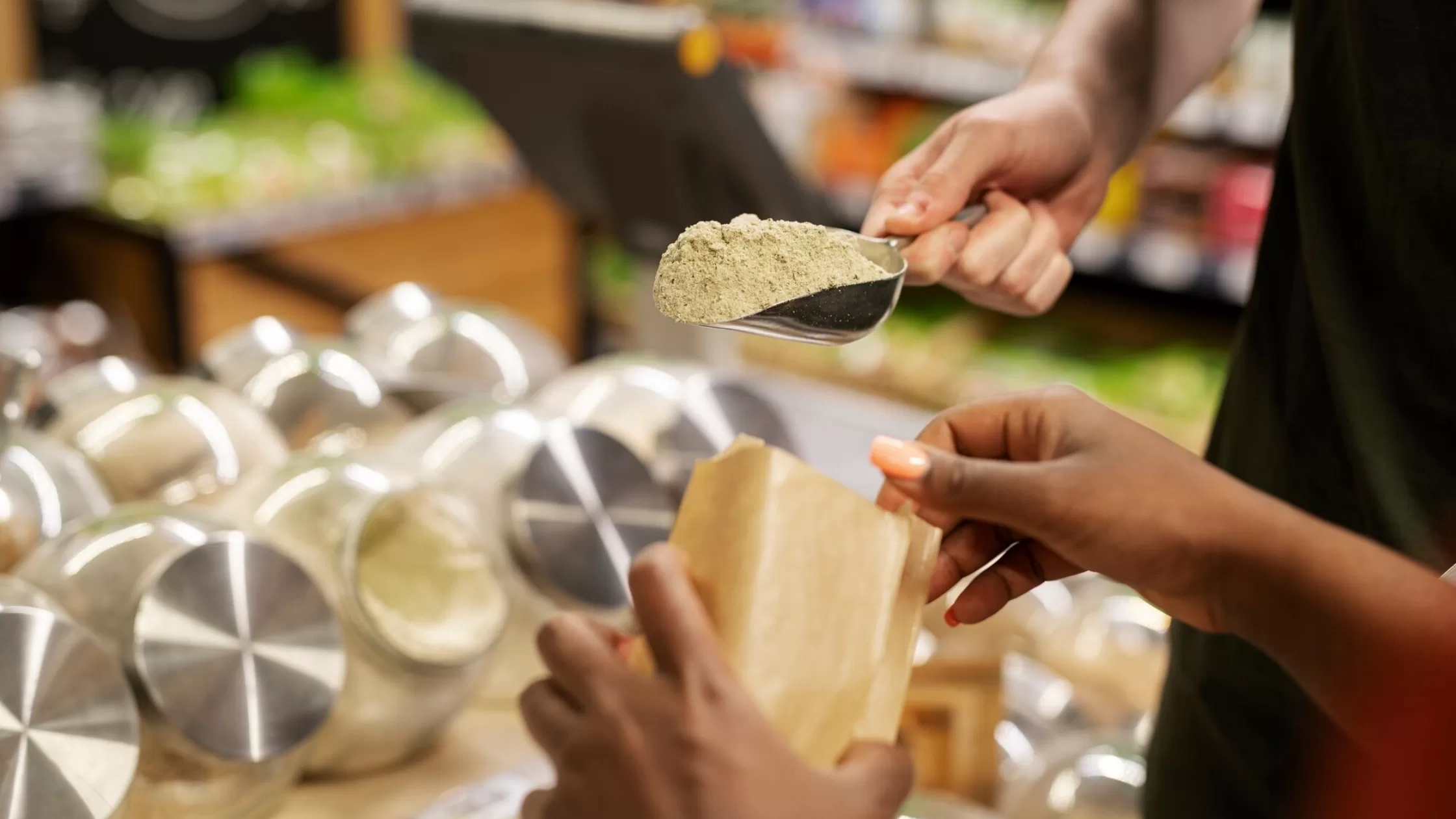
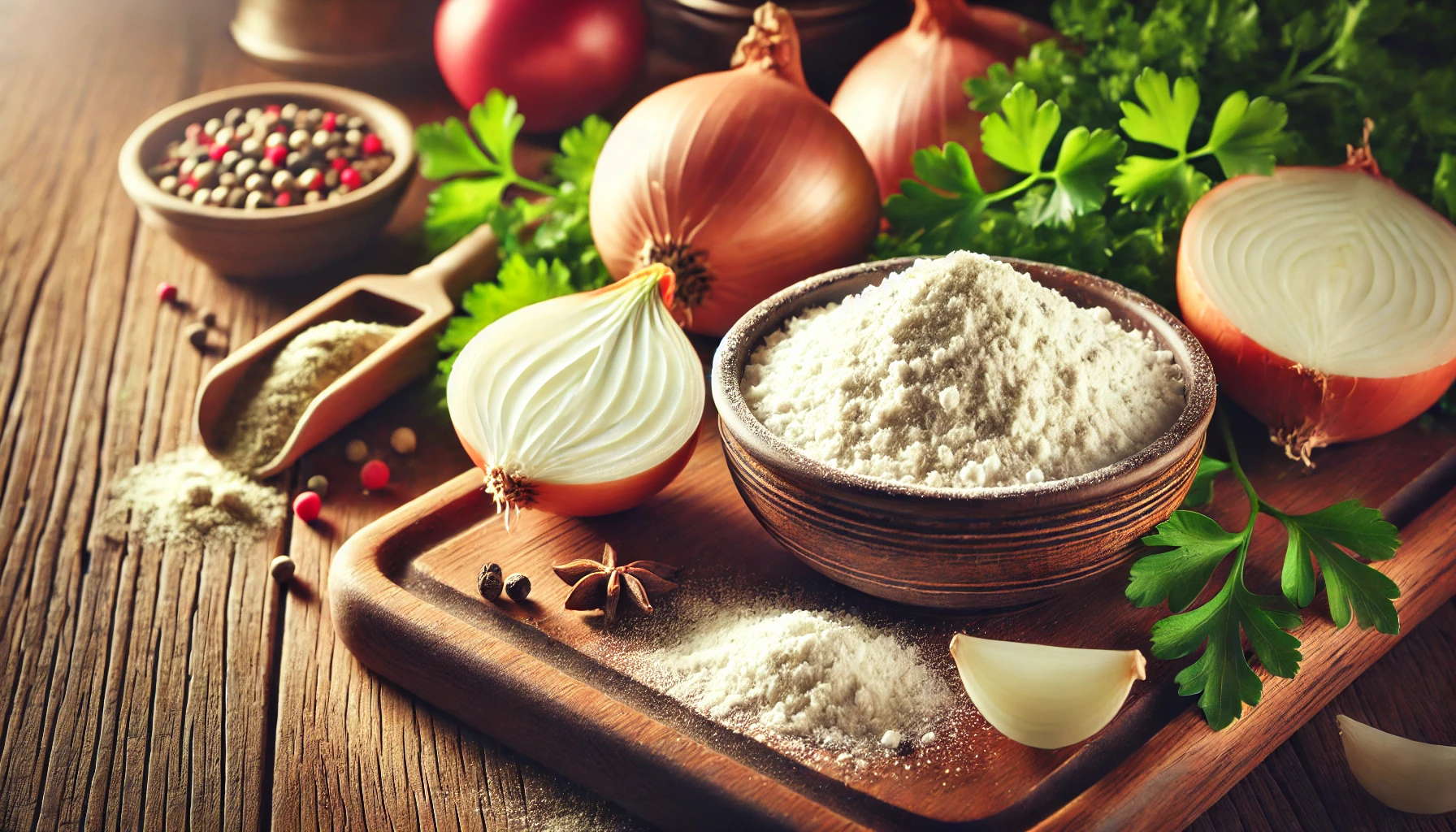
Vegetable powder comes from fresh vegetables that undergo careful dehydration and grinding. First, farmers harvest vegetables at peak ripeness. Then, manufacturers clean, slice, and dry them using controlled methods. Finally, they grind the dried pieces into fine powder.
This process retains most nutrients while removing moisture. As a result, the product stays fresh for months. Moreover, it eliminates the need for refrigeration and reduces food waste significantly.
From Farm to Processing: The Journey Begins
The journey starts at the farm, where quality plays a vital role. Farmers grow vegetables under strict conditions to ensure purity and freshness. After harvesting, they transport produce quickly to processing units.
Next, workers sort and wash the vegetables thoroughly. This step removes dirt and impurities. Then, they cut them into uniform sizes to ensure even drying. Each stage ensures consistency and high quality.
Dehydration: Preserving Nature’s Goodness
Dehydration stands as the most critical stage in the process. Manufacturers use techniques like air drying or spray drying to remove moisture gently. Unlike traditional methods, modern dehydration retains color, taste, and nutrients.
Because moisture disappears, bacteria cannot grow easily. Therefore, the shelf life increases without adding preservatives. Additionally, this method locks in natural flavors, making the powders rich and aromatic.
Grinding and Packaging for Quality
After drying, producers grind the vegetables into fine powders. They use advanced machines to achieve a consistent texture. Then, they test the powder for quality, ensuring it meets food safety standards.
Packaging follows immediately to maintain freshness. Airtight containers prevent moisture and contamination. As a result, customers receive products that stay fresh and flavorful for longer durations.
Why Choose Vegetable Powders in Cooking?
Vegetable powders offer several advantages. First, they save preparation time. You no longer need to wash, peel, or chop vegetables. Instead, you can add a spoonful directly to your dish.
Second, they reduce waste. Fresh vegetables often spoil quickly, but powders last longer. Third, they provide a consistent flavor. Every batch delivers the same taste and quality.
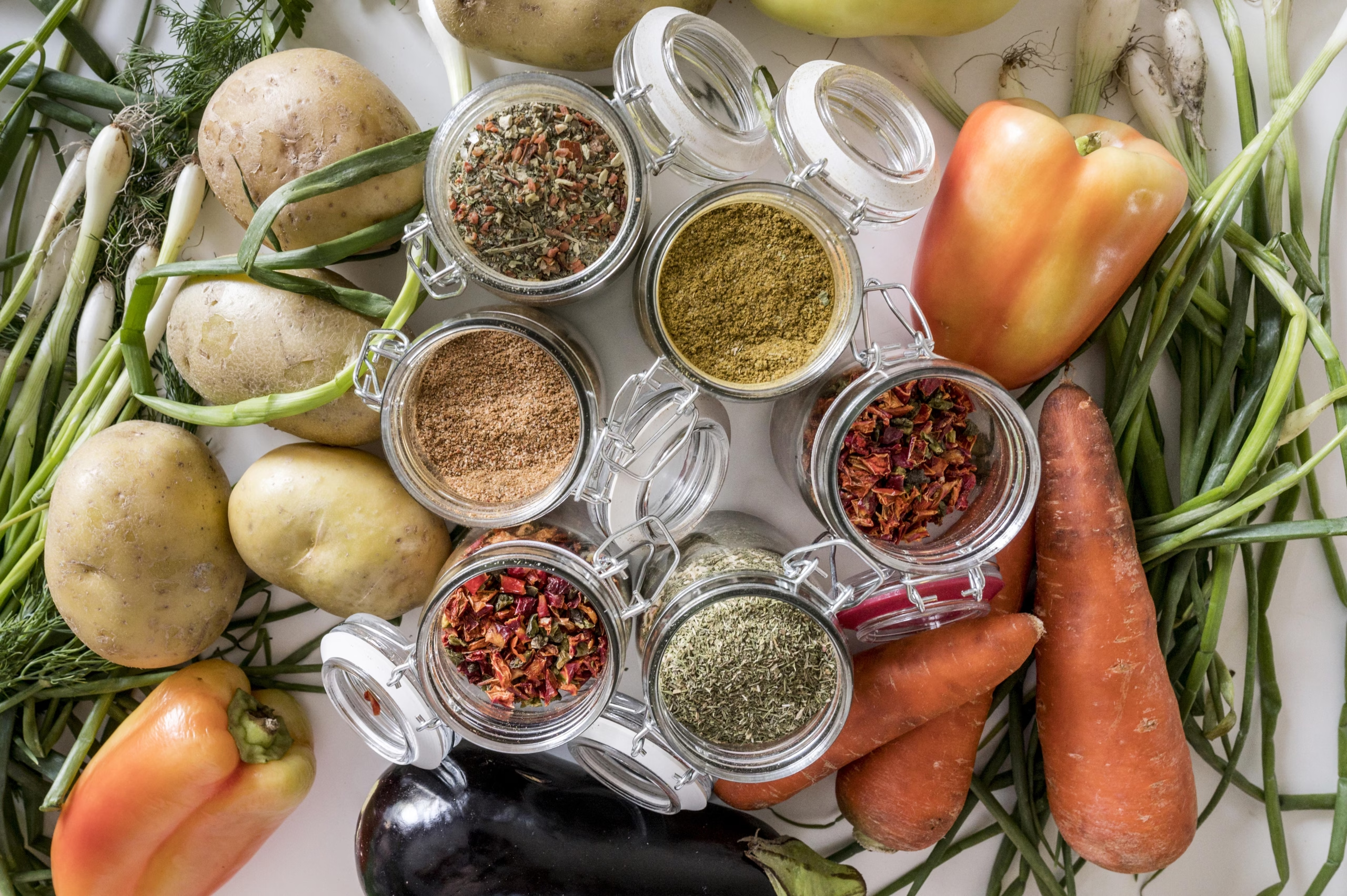
Furthermore, these powders work well in multiple recipes. You can use them in soups, curries, sauces, snacks, and even bakery items. Their versatility makes them an essential kitchen ingredient.
Nutritional Value and Health Benefits
Although dehydration removes water, it retains essential nutrients. Vegetable powders contain vitamins, minerals, and antioxidants. These nutrients support immunity, digestion, and overall health.
Moreover, the Benefits of vegetable powders are that they help increase vegetable intake easily. Many people struggle to consume enough vegetables daily. However, adding powders to meals solves this issue effortlessly.
Additionally, you can explore scientific insights on dehydration and nutrition through reputable research studies that highlight how drying methods preserve essential nutrients while extending shelf life.
Sustainability and Reduced Food Waste
Dehydrated vegetables support sustainability. Since they last longer, they reduce food spoilage. Farmers and manufacturers can utilize surplus produce instead of discarding it.
Moreover, transportation becomes easier. Lightweight powders require less storage space and fuel. Therefore, they reduce the overall carbon footprint. Choosing such products contributes to a more sustainable food system.
Applications Across Food Industries
Today, food industries rely heavily on vegetable powders. Ready-to-eat meals, instant soups, and snack products use them extensively. Their long shelf life and consistent quality make them ideal for large-scale production.
Even restaurants and home chefs prefer powders for convenience. They help maintain taste consistency across dishes. Additionally, they simplify inventory management in commercial kitchens.
Tips for Using Vegetable Powder Effectively
To get the best results, use vegetable powders wisely. Start with small quantities, then adjust according to taste. Since powders are concentrated, a little goes a long way.
Also, mix them evenly in liquids or gravies to avoid lumps. For dry recipes, blend them with other ingredients properly. Furthermore, store them in a cool, dry place to maintain freshness.
The Growing Demand in Modern Kitchens
The demand for dehydrated vegetable products continues to grow. Health-conscious consumers seek natural and preservative-free options. At the same time, busy lifestyles drive the need for quick solutions.
Consequently, vegetable powders bridge the gap between nutrition and convenience. They offer a practical way to maintain a balanced diet without spending hours in the kitchen.
Conclusion
From farms to finely processed powders, the journey of dehydrated vegetables reflects innovation and sustainability. These products combine nutrition, convenience, and versatility in one form. Whether used in home kitchens or large-scale industries, they simplify cooking while enhancing flavor.
If you are looking for high-quality options, explore trusted suppliers like Rima Industries. Their commitment to quality and innovation ensures premium products for every need. Visit their website to learn more: Rima Industries
Author Bio
Ishaan Modi is a food enthusiast with a keen interest in exploring the intersection of culinary arts and nutrition. Passionate about Indian food, He shares insights on Authentic Indian Spices/Food/Recipes.
FAQ Section
1. What is vegetable powder used for?
Vegetable powder enhances flavor and nutrition in soups, sauces, curries, and snacks. It also saves preparation time.
2. Is vegetable powder as nutritious as fresh vegetables?
Although slightly reduced, most nutrients remain intact. It still offers significant health benefits.
3. How should I store vegetable powder?
Store it in an airtight container in a cool, dry place to maintain freshness and quality.
4. Can I use vegetable powder daily?
Yes, you can include it in daily meals to boost vegetable intake conveniently.
5. Does vegetable powder contain preservatives?
High-quality products usually avoid preservatives and rely on dehydration for preservation.